Why Separation Matters in Bowl Delivery

The art of bowl-based meals lies in the careful arrangement of diverse ingredients, each contributing unique flavors, textures, and nutritional benefits to the overall dish. When these ingredients mix prematurely during delivery, the carefully crafted experience can be significantly diminished. Understanding ingredient separation is essential for anyone interested in the logistics of food delivery and the preservation of culinary quality during transport.

Ingredient separation in bowl delivery encompasses a range of techniques, container designs, and handling practices all working together to maintain the integrity of each component from kitchen to consumer. This comprehensive guide explores the various aspects of ingredient separation, from the science behind why certain foods should remain separated to the practical solutions employed by food service providers.
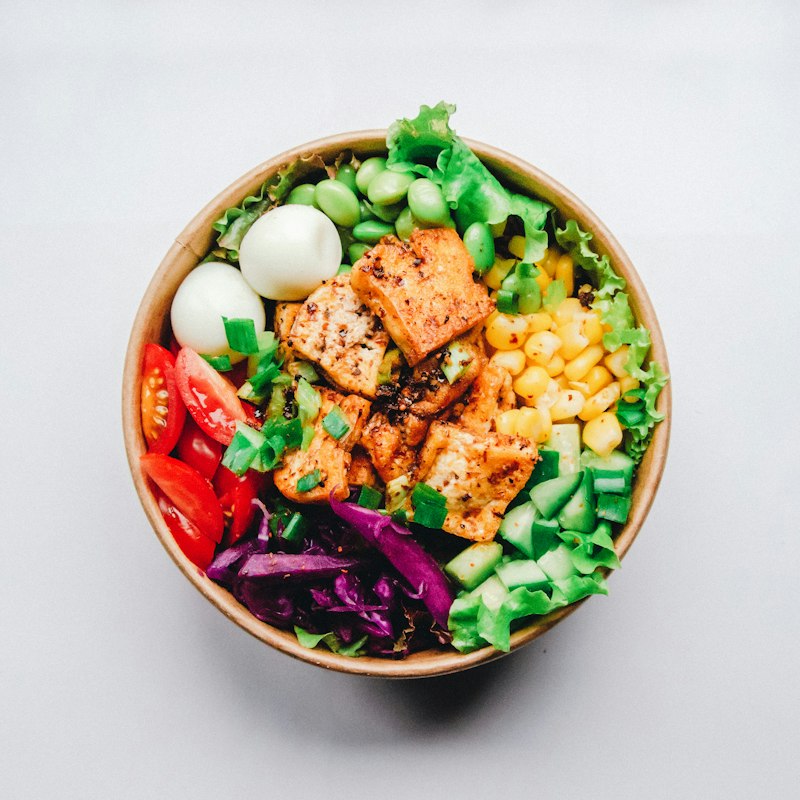
Fresh salad bowl with organized ingredients

The Science of Food Separation

Understanding why ingredients should remain separated requires knowledge of food science principles. Different foods have varying water content, acidity levels, and texture profiles. When these components interact, several reactions can occur that affect the quality of the meal.

Moisture migration is one of the primary concerns in bowl delivery. Ingredients with high water content, such as fresh tomatoes, cucumbers, or dressed greens, can release moisture during transport. This moisture can migrate to drier ingredients like croutons, crispy proteins, or crunchy toppings, causing them to lose their appealing texture and become soggy or unappetizing.

Similarly, temperature differences between ingredients can accelerate quality degradation. Warm proteins placed in contact with cold vegetables can create condensation, while cold ingredients near hot components may wilt or lose their crispness. Proper separation helps maintain optimal conditions for each ingredient type.

Common Separation Techniques

Food service providers employ various techniques to maintain ingredient separation during delivery. These methods range from simple physical barriers to sophisticated packaging solutions designed specifically for bowl-based meals.

🧱

Physical Barriers

The most straightforward approach to ingredient separation involves physical barriers within the container. Divided containers feature separate compartments for different ingredients, preventing them from coming into contact during transport. These barriers can be permanent features of the container or removable inserts that allow for customization based on the specific dish.

🥡

Layered Arrangement

Strategic layering of ingredients helps maintain separation even in single-compartment containers. Dense, sturdy ingredients like grains or proteins form the base, while more delicate items like leafy greens or crispy toppings are placed on top. This vertical separation minimizes contact between ingredients that should remain distinct.

🫙

Separate Containers

For maximum separation, some delivery services package particularly sensitive ingredients in separate containers. Dressings, sauces, and highly perishable items are commonly packaged separately to be added by the consumer just before eating, ensuring optimal freshness and texture.

📝

Strategic Placement

Careful consideration of ingredient placement within the bowl helps minimize unwanted mixing. Ingredients that should not touch are positioned on opposite sides of the container, with neutral buffer ingredients placed between them. This approach requires skill and attention during the assembly process.

Categories of Ingredients Requiring Separation

Not all ingredients require the same level of separation. Understanding which ingredients are most sensitive to mixing helps inform proper packaging decisions and handling protocols.

Wet and Dry Ingredients

The most common separation challenge involves wet and dry ingredients. Dressings, sauces, and high-moisture vegetables should be kept separate from dry items like croutons, crispy onions, nuts, and seeds. When these ingredients mix, dry components quickly absorb moisture and lose their characteristic crunch.

Hot and Cold Components

Bowl meals that combine warm and cold ingredients require special attention. A warm grain bowl with cold fresh toppings, for example, benefits from separation to prevent the cold ingredients from wilting while maintaining the temperature of the warm base.

Strong-Flavored Items

Ingredients with strong flavors or aromas can transfer their characteristics to milder components if kept in close contact. Pungent items like blue cheese, onions, or heavily spiced proteins may benefit from separation to preserve the distinct flavor profile of each ingredient.

Allergen-Containing Foods

For customers with food allergies, separation of allergen-containing ingredients is crucial. Nuts, shellfish, dairy products, and other common allergens may need to be packaged separately to prevent cross-contamination and ensure safe consumption.

Did You Know? Some bowl delivery services use color-coded containers or labels to indicate which ingredients should be kept separate, making it easier for both kitchen staff and consumers to identify potential mixing issues.

Benefits of Proper Ingredient Separation

Maintaining ingredient separation during bowl delivery offers numerous benefits that enhance the overall dining experience. These advantages extend beyond simple aesthetics to include texture preservation, flavor integrity, and food safety considerations.

  • Texture Preservation: Crispy, crunchy, and firm textures are maintained when ingredients are properly separated. This ensures that each bite delivers the intended textural experience, from the crunch of fresh vegetables to the crispness of toasted toppings.
  • Flavor Integrity: Separated ingredients maintain their individual flavor profiles, allowing consumers to experience each component as intended. This is particularly important for complex bowl meals with diverse flavor combinations.
  • Visual Appeal: A well-organized bowl with distinct, separated ingredients is visually striking. The vibrant colors and clear organization create an appetizing presentation that enhances the anticipation of the meal.
  • Temperature Control: Separation allows for better temperature management, as ingredients can be insulated from each other or packaged separately to maintain their ideal serving temperatures.
  • Customization Options: When ingredients are kept separate, consumers have the flexibility to combine them according to their preferences, adjusting ratios and timing to suit their taste.
  • Reduced Food Waste: Proper separation and packaging can extend the shelf life of delivered meals, reducing the likelihood that food will need to be discarded due to quality degradation.

Industry Best Practices

Food delivery services and restaurants that specialize in bowl-based meals follow established best practices to ensure optimal ingredient separation. These practices are informed by food science, logistics expertise, and consumer feedback.

Assembly line organization plays a crucial role in maintaining separation. Kitchen stations are typically arranged to minimize the distance between ingredient storage and the final packaging area, reducing the opportunity for mixing during assembly. Staff are trained in proper layering techniques and the importance of maintaining visual barriers between ingredients.

Quality control checks at various stages of the packaging process help identify potential separation issues before the meal leaves the kitchen. These checks may include visual inspections, weight verification, and temperature monitoring to ensure each bowl meets established standards.

Documentation and standardization of separation protocols ensure consistency across different kitchen staff and locations. Standard operating procedures detail exactly how each type of bowl meal should be assembled and packaged, with specific instructions for handling ingredients that require separation.

Disclaimer: This website is an independent informational resource and is not affiliated with food delivery services or restaurants. This website does not provide ordering, delivery, or payment services.